Agile EducationManifesto
Early adoption · evidence from the classroom

2018

The manifesto, tried in a real classroom

A year after the manifesto was written, its values left the page and entered a room full of learners. These photographs are the record: no lectures from the front, no rankings. Tables of people thinking together, sticky notes instead of answer sheets, and learners who explained as much as they listened.
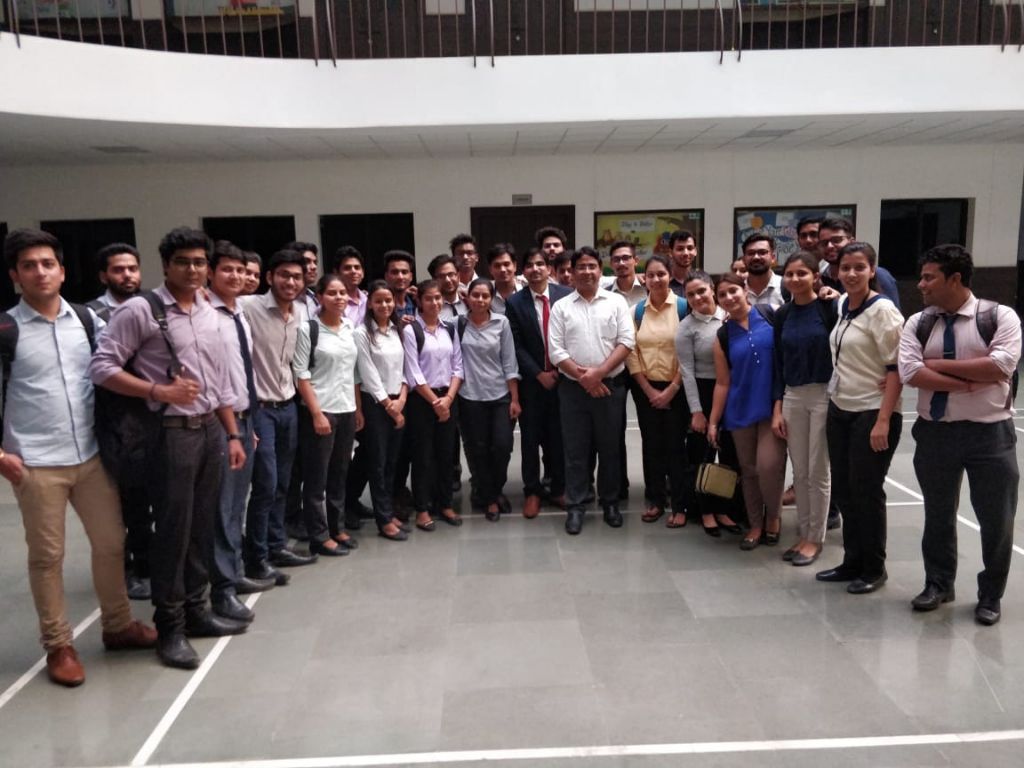
A large group of students and facilitators standing together in a school atrium
Plate IThe cohort, at the close of the programme. Every person here was a contributor, not an audience.

Adaptive learning approaches overrigid traditional approaches

The rows of a lecture hall were turned into islands. The facilitator moved between them; the learning moved with the learners.
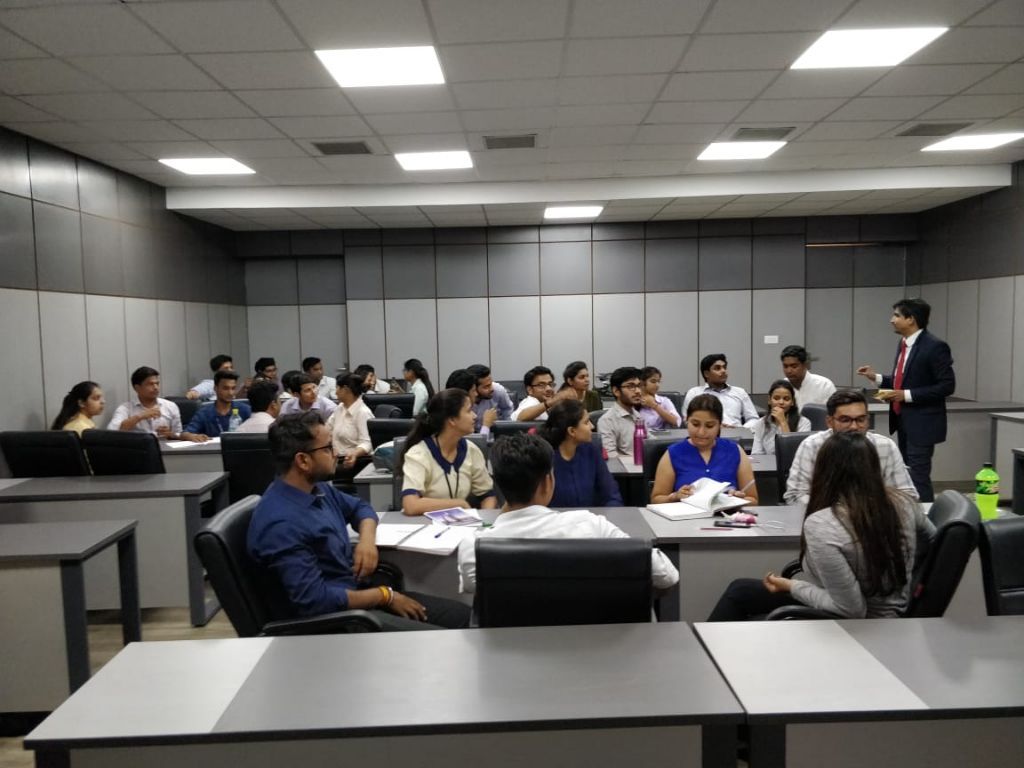
A seminar room with students seated in small groups while a facilitator speaks from the side
Plate IIThe room re-arranged into working groups, the facilitator at the edge, not the centre.
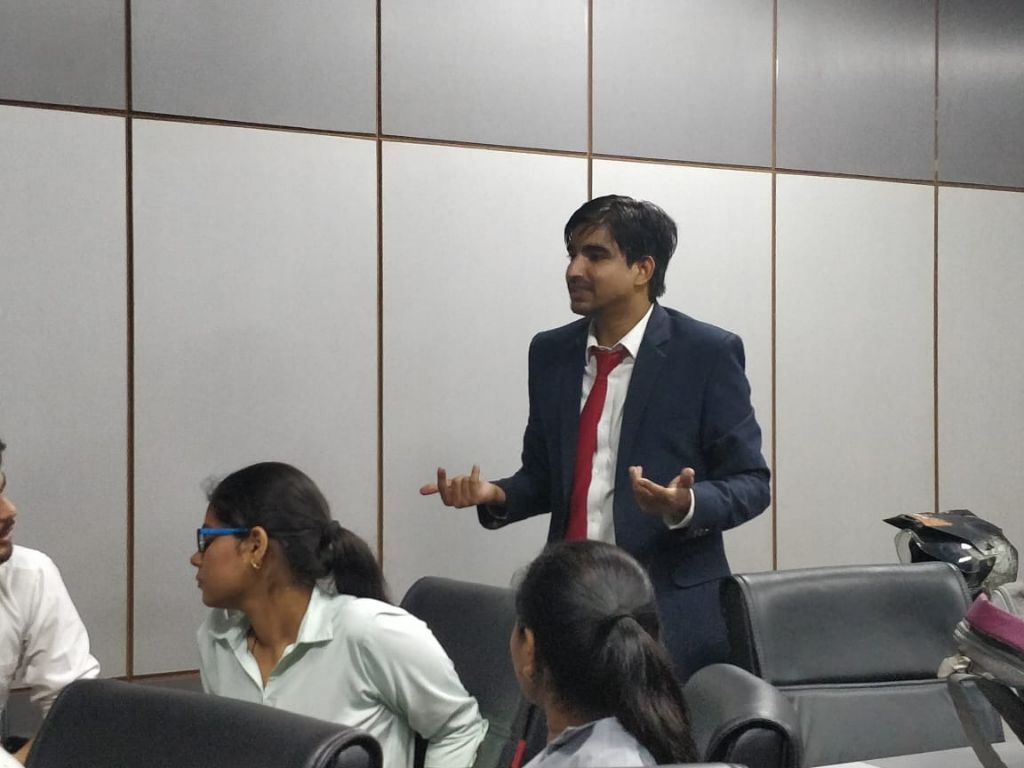
A facilitator in a suit speaking with open hands to students seated around him
Plate IIIQuestions offered, not answers delivered.

Healthy collaboration overunhealthy competition

Groups solved problems together, and the exercises were designed so that no one could finish alone.
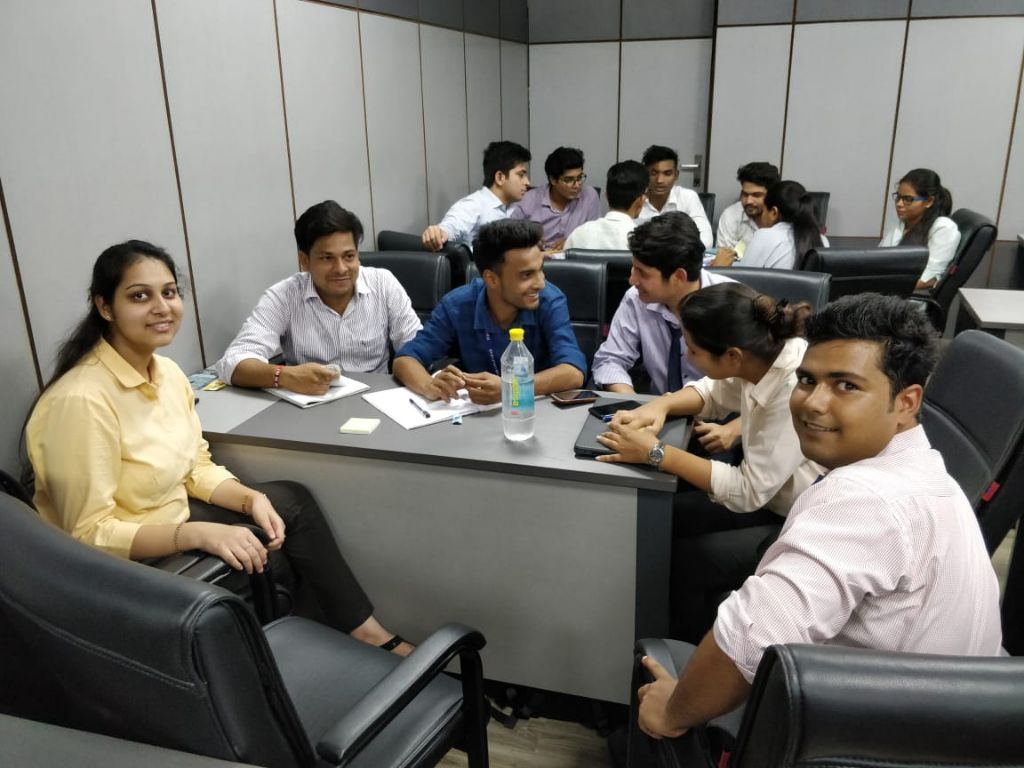
Smiling students around a shared table with notebooks
Plate IVOne table, one problem, many minds.
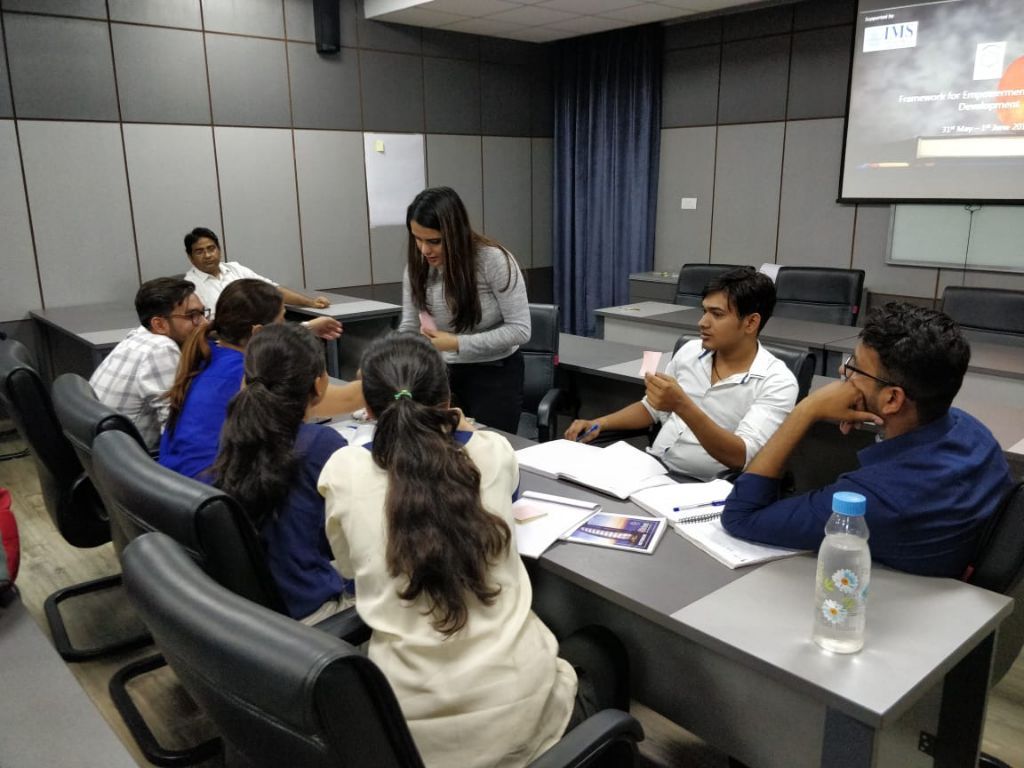
Students around a table working with sticky notes while a peer guides the discussion
Plate VA learner guiding her own group: leadership passed around the table.
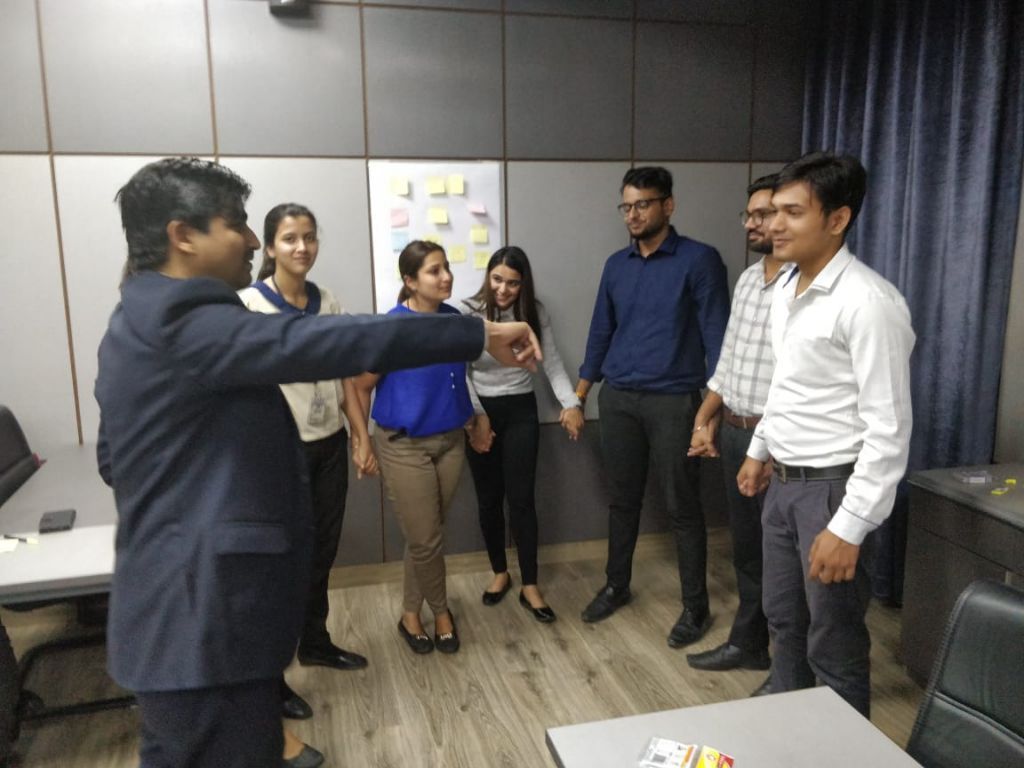
Students standing in a circle holding hands while a facilitator points across the room
Plate VIA trust exercise: the circle only holds if everyone holds on.
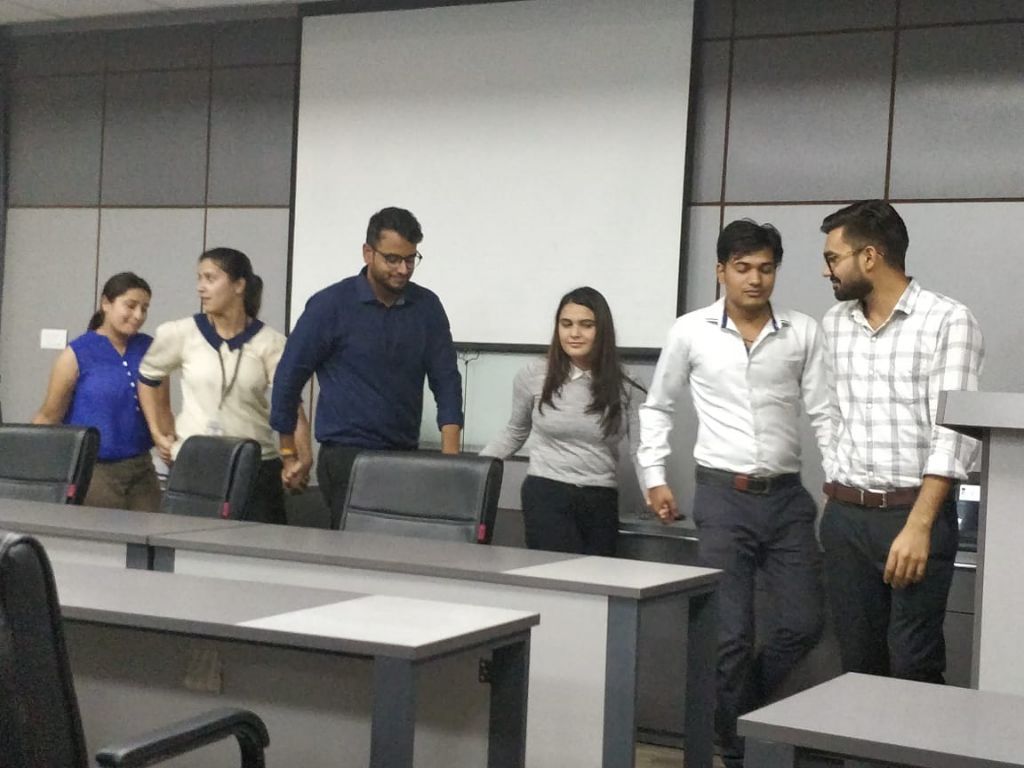
Students linked hand in hand walking across the front of a classroom
Plate VIIMoving as one chain: collaboration you can feel, not just discuss.

Agile learning culture overcomprehensive content

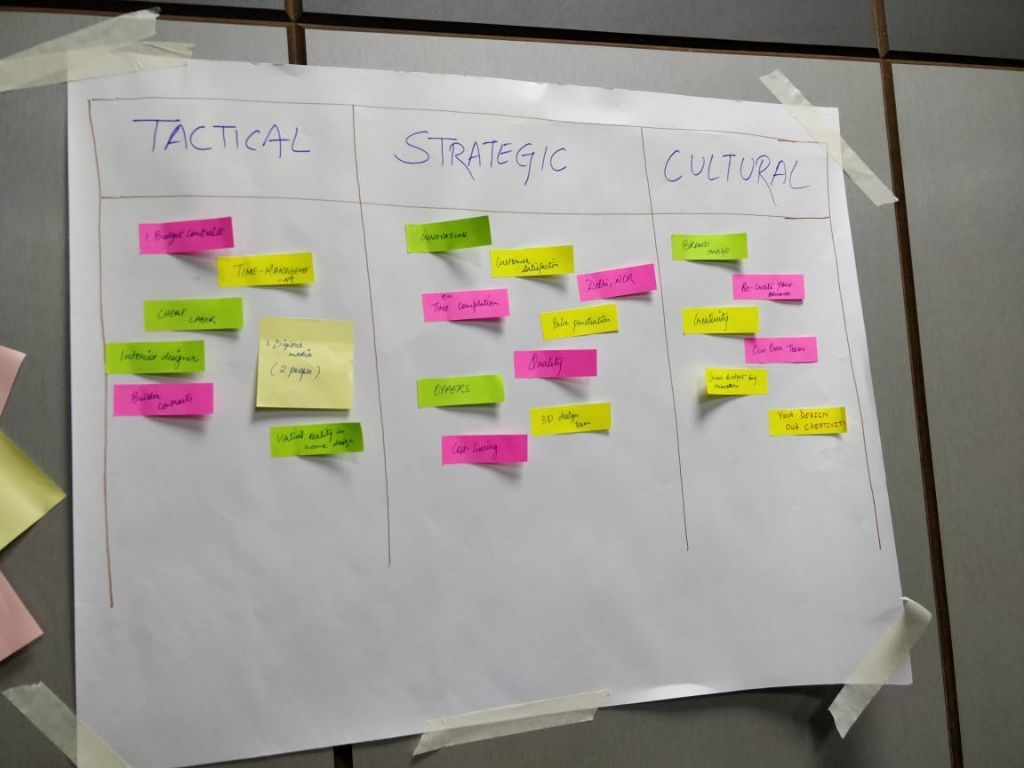
Instead of covering a syllabus, learners made their thinking visible, and sorted it themselves into the tactical, the strategic and the cultural.
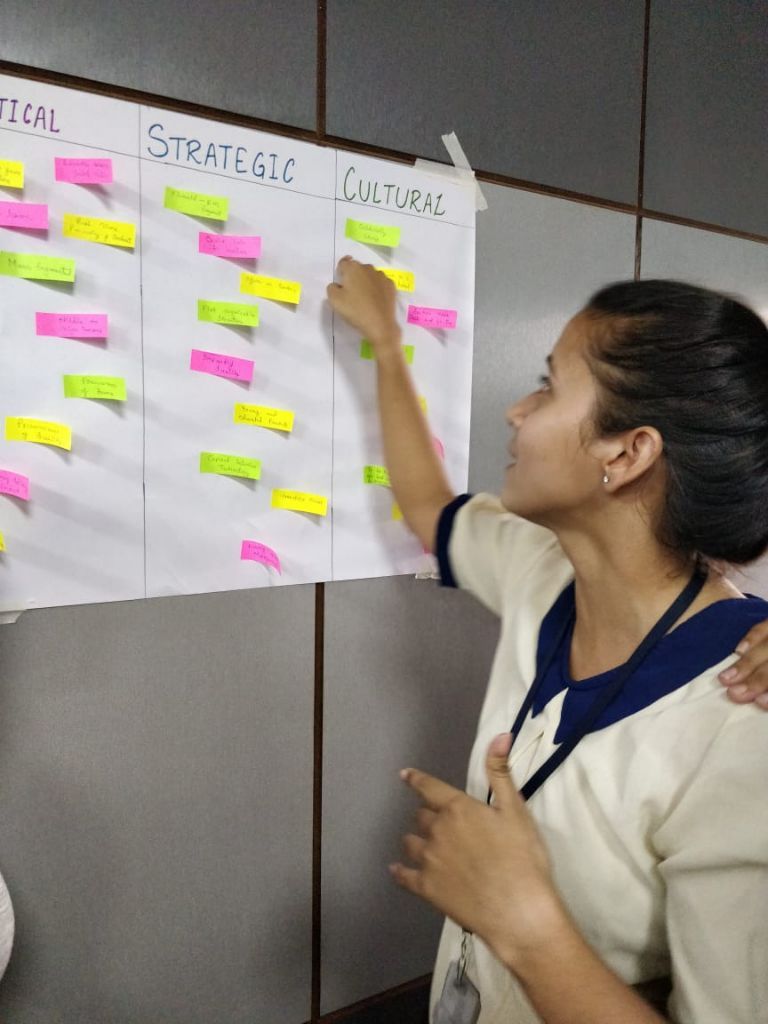
A student placing a sticky note on a chart headed Tactical, Strategic, Cultural
Plate VIIIEach idea on its own note, placed by the learner who had it.
A chart divided into Tactical, Strategic and Cultural columns covered with sticky notes
Plate IXThe finished board: tactical, strategic, cultural. A whole organisation, mapped by its students.

Feedforward overfeedback

The day ended not with a test, but with a wall of learnings: what each person would carry forward.
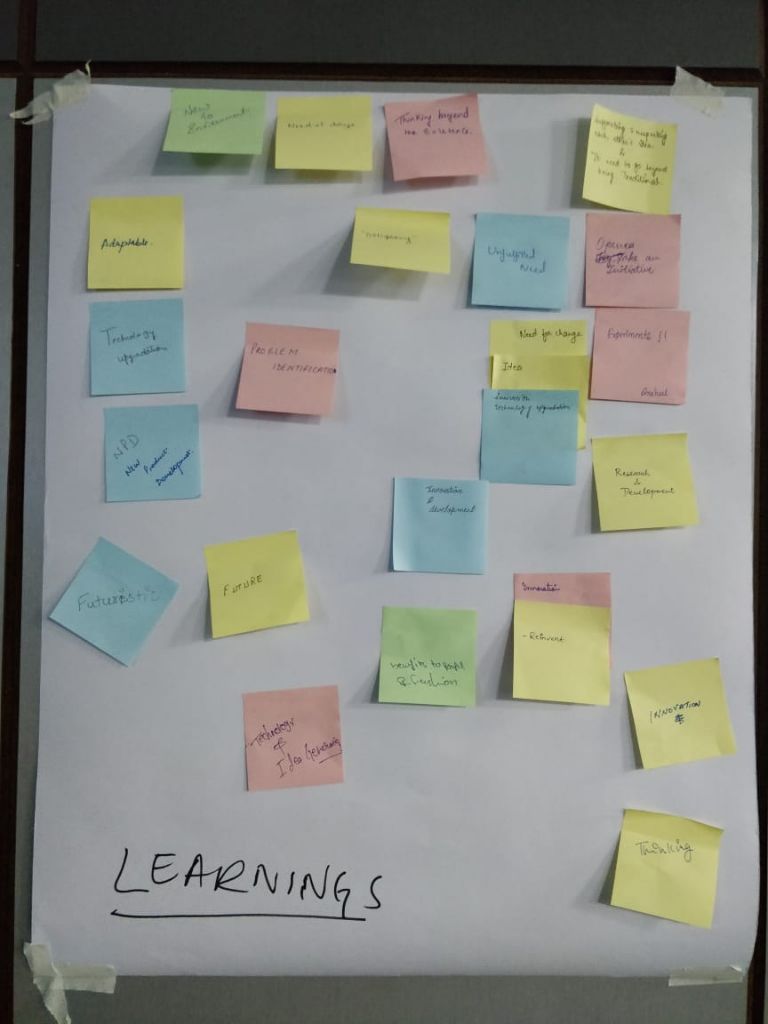
A chart titled Learnings covered with sticky notes such as Adaptable, Thinking beyond, Innovation, Future
Plate X“Adaptable.” “Thinking beyond.” “Future.” “Innovation.” The learners’ own words.
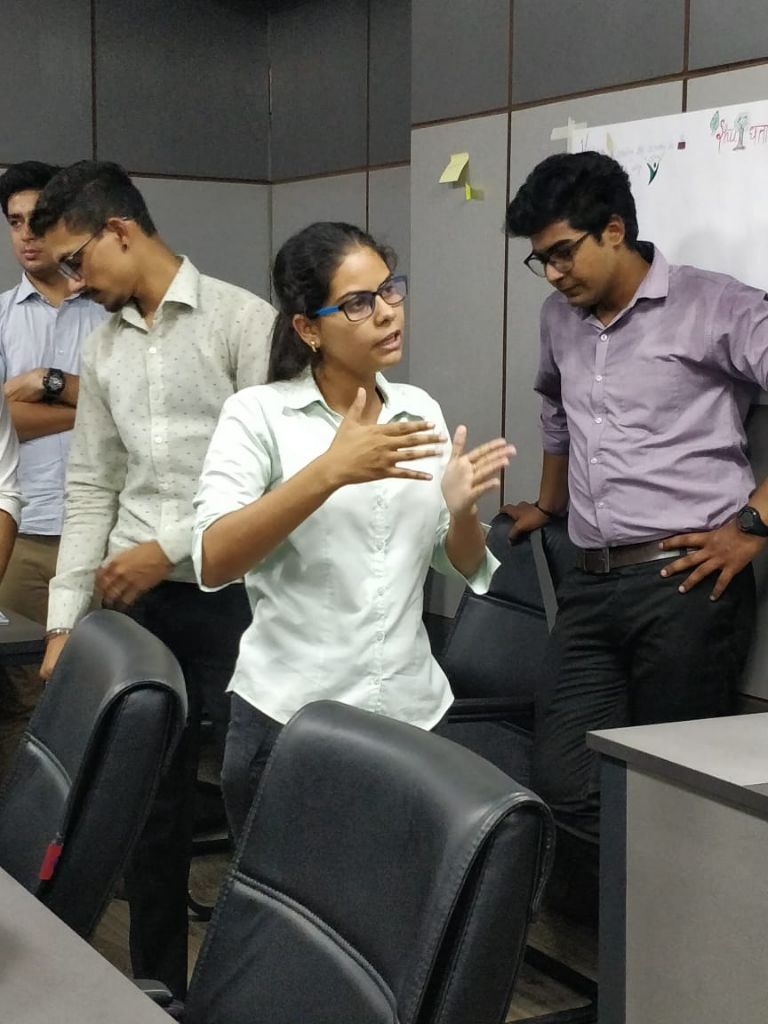
A student in glasses explaining an idea with her hands to peers
Plate XIA learner explaining to her peers, where learning becomes teaching.

What began in this room in 2018 continues today: in every classroom that chooses the items on the left, in the research that tests these values, and in Svadhyaya, for the youngest learners.

Six Principles of Agile Education

Svadhyaya, the manifesto in practice

Bring Agile Education to your institution

Return to Manifesto